
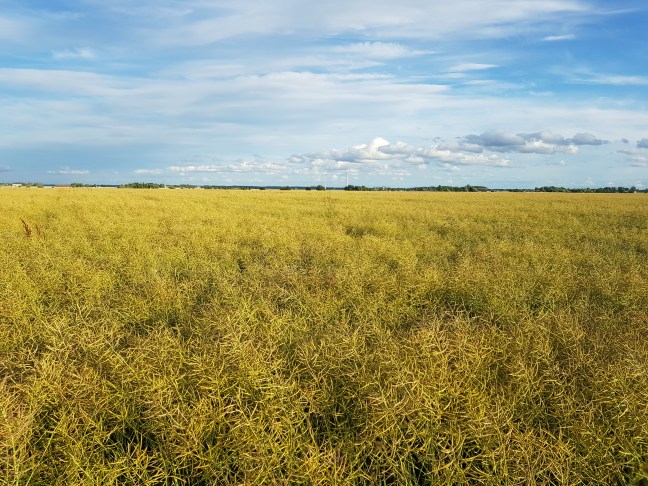
Sweden’s rapeseed production has increased manifold in recent years. The reason is not increased private consumption, but greater increased demand for rapeseed as protein feed for animals, which in turn is due to the fact that it has become more difficult to obtain GMO-free feed at the same time as the demand for bio-fuels increases in the EU.
Sweden is today self-sufficient in rapeseed. This makes rapeseed a more environmentally friendly alternative to imported feed such as soybeans. Being a flowering crop, it provides food for bees and bumblebees, pollinators that are vital for agriculture to run. Rapeseed also provides food and shelter for several nesting bird species, for example starlings, yellow herons, larks and sparrows.
Lifecycle of the rapeseed crop.
- Mid-August: The rapeseed is sown with a machine that first prepares the soil, distributes the seeds and then covers it with soil.
- Autumn(September – October-ish): The plant must grow a good bit to be able to cope with the winter’s cold.
- Winter(November – February): The plant barely grows, survival is the objective.
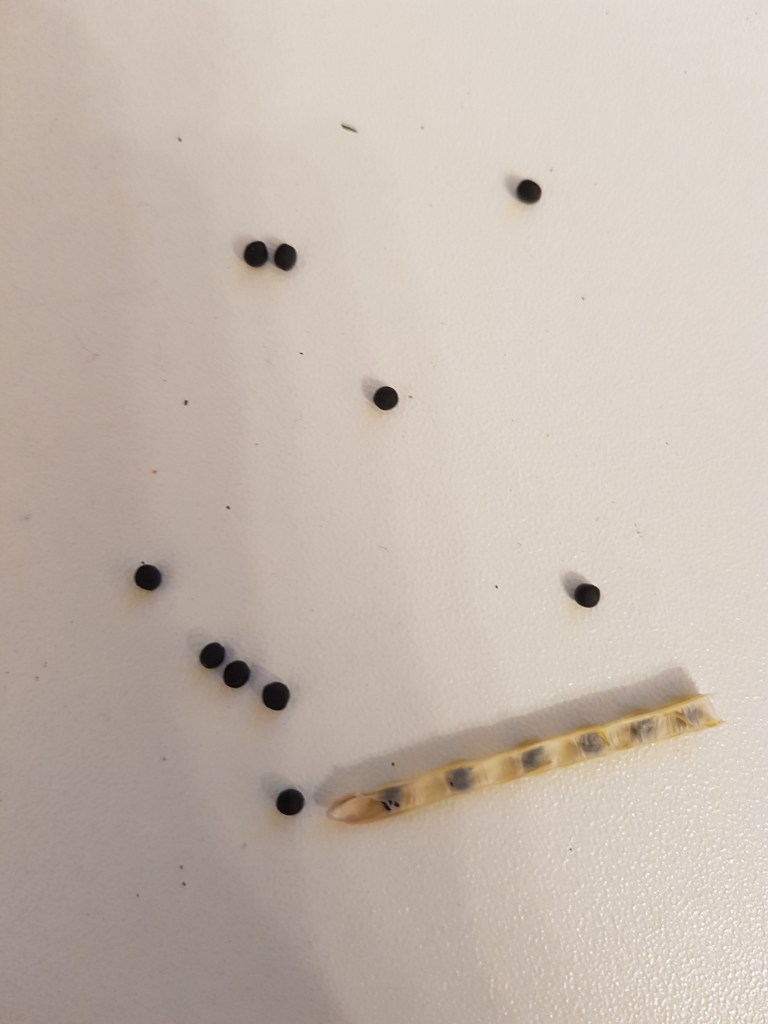
- Spring(March – May): Beautiful yellow blossoming, and when the petals fall off, the pod grows out of the pistil. In the pod are the rapeseeds, which for about two months are allowed to grow and become large.
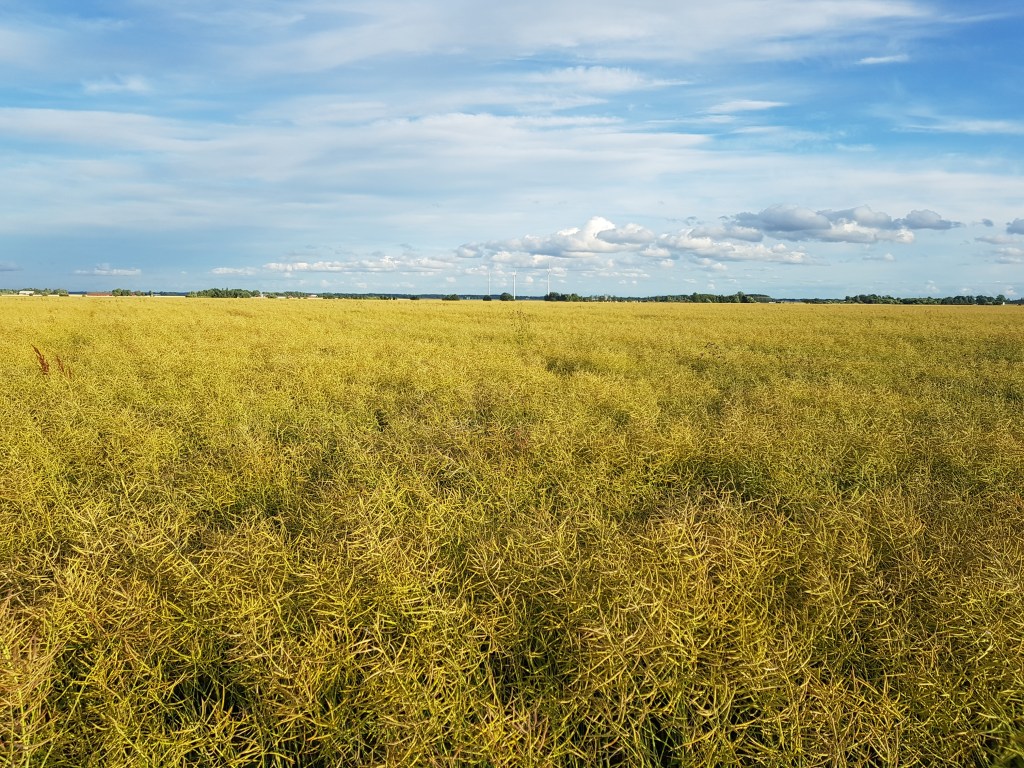
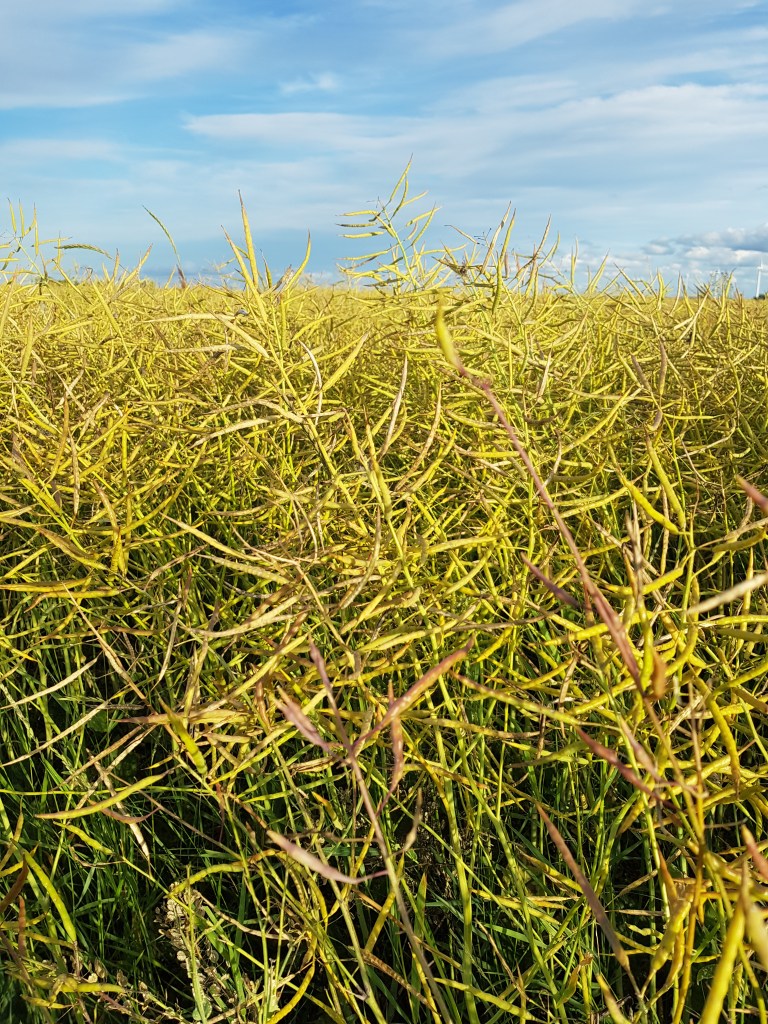
- Summer(July – August): The plant and pods begin to dry to be ready for threshing.
 Life is about being kinetic