
Introduction
The fighter planes gradually advanced after WW-I e.g: much faster speed, full-metal bodies, armour plating that protected the pilots and the crew, self-sealing fuel tanks. In addition to these improvements in building, these aircraft were now mounted with more lethal incendiary cannons and guns, causing huge damage to the targets.
The older techniques e.g: use of machine guns to hit planes proved ineffective. The demand for more powerful, faster, and accurate anti-aircraft(AA) weapons increased.
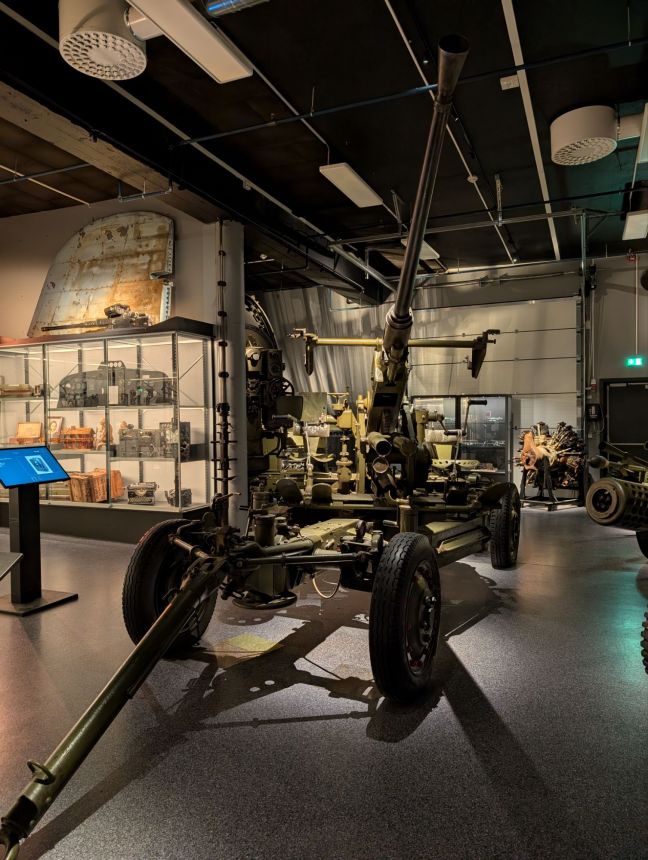
The Bofors L-60 was ready for market sale in 1932. Widely used during the WW-II, this gun soon was adopted by most of the nations across the globe.
Approximate Values
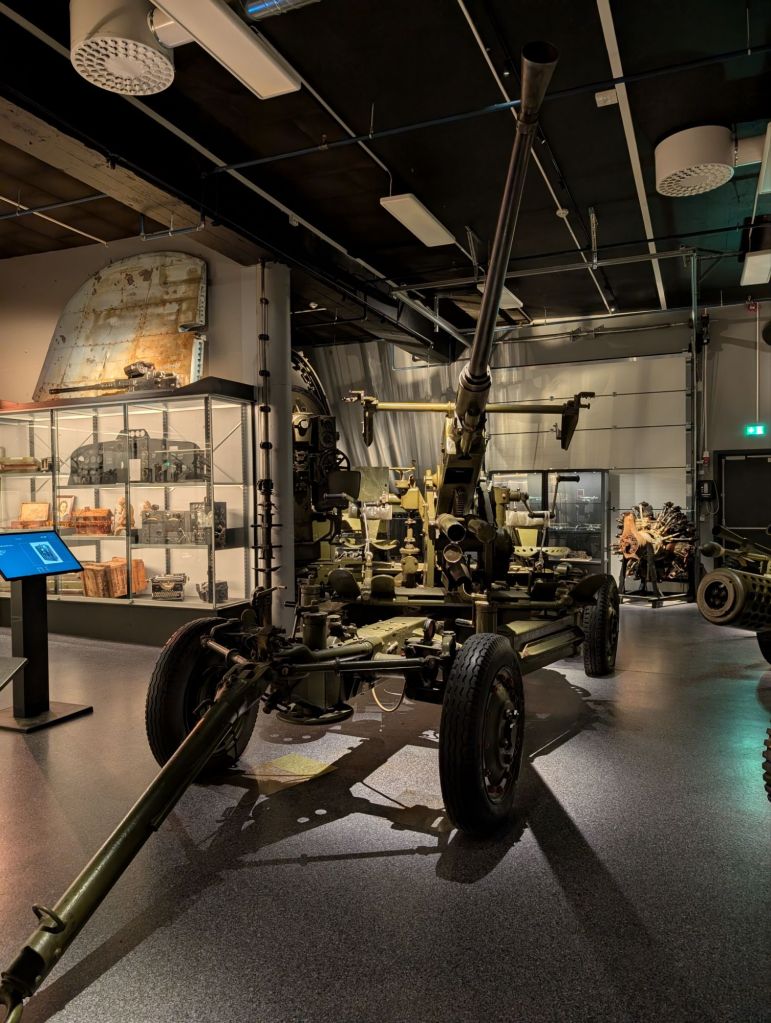
- Barrel length: 2.25 m
- Caliber: 4 mm
- Shell: 40 × 311 mm
- Shell’s weight: 0.9 kg
- Rate of fire: 120-140 rounds/minute
- Weight: 1981 kg
- Maximum firing range: 7,160 m
Operation

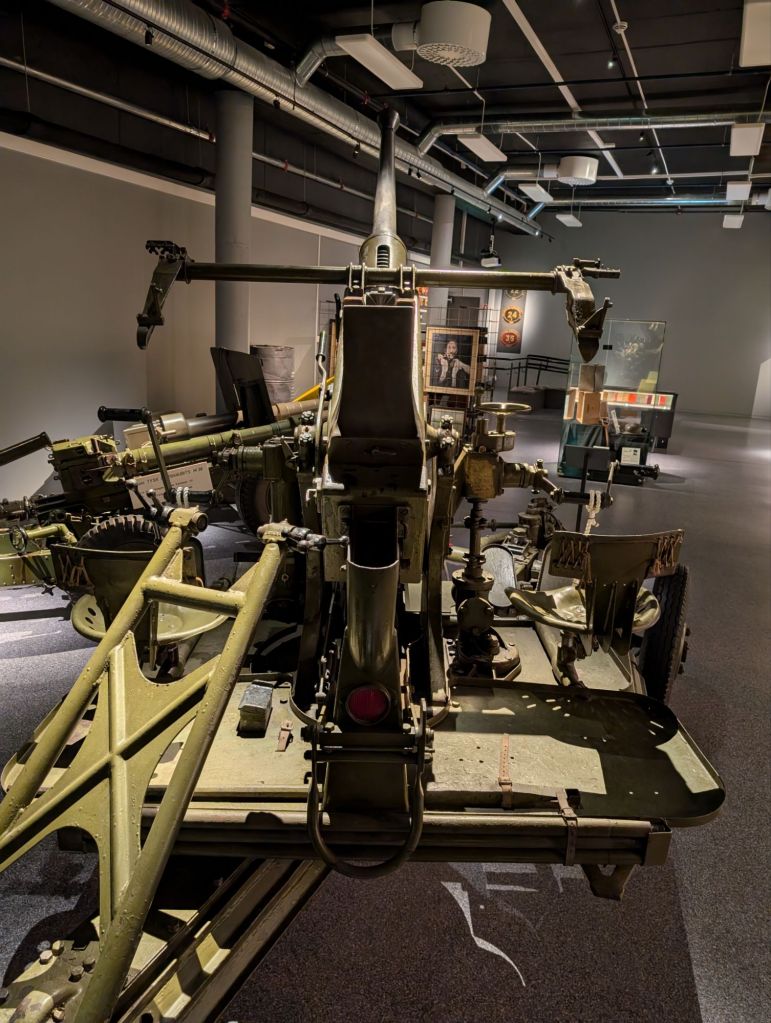
The Bofors L/60 is a towed anti-aircraft gun on a four wheel mount. There are four jacks, of which two on outriggers, to provide a stable firing platform. The gun is fitted on a open mount, with later mounts featuring a gun shield. Firing is carried out by two seated operator, plus one to three people loading the gun.
The Bofors L/60 was originally fitted with reflector sights, one for each of the two gunners and with a third person operating a simple mechanical computer. In British service this was replaced by the Stiffkey sight in which the two gunner’s sights are adjusted for lead by a third operator adjusting the trapeze that connects to the sights. Various types of external directors were developed during World War 2, mostly for naval use. Post World War 2 the use of fire control radar became more widespread.
Demo
Usage
This gun is perhaps the most widely used AA gun in the world. It has been in operation since 1932, and is used by all branches of the armed forces. Various countries during the WW-II (the Allies, the Axis(captured guns), Indo-China wars, Indo-Pak wars, and even the recent Russia – Ukraine war witnessed the usages of these guns.
It is manufactured under license in various countries.
Disclaimer
The ‘Demo’ section might contain third-party images/videos/other multimedia. The author neither claims nor intends any infringement, and tries best to give credits to the original creators/owners. The only purpose of including the third-party material is to provide the readers as much information as possible, in an intuitive manner.
 Life is about being kinetic