
Introduction
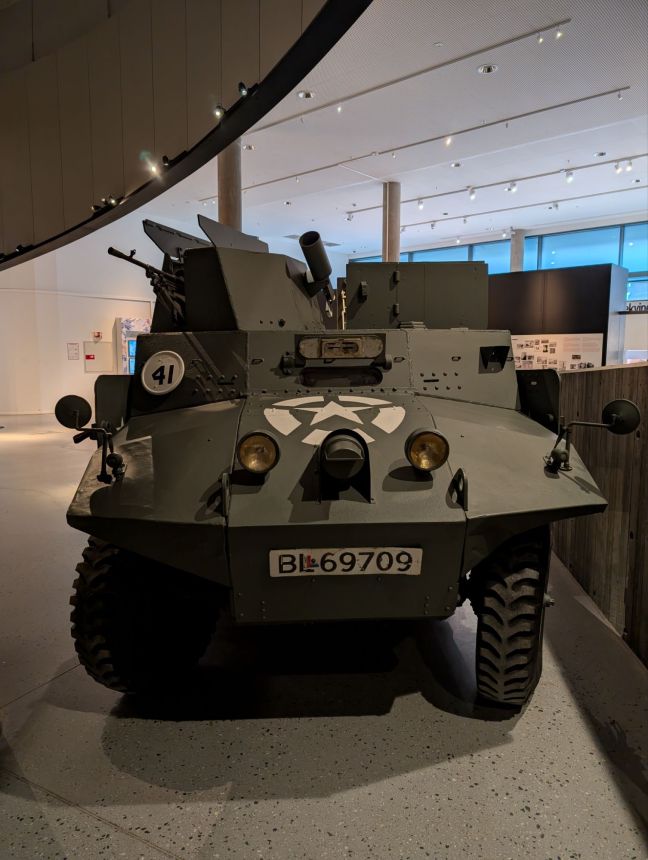
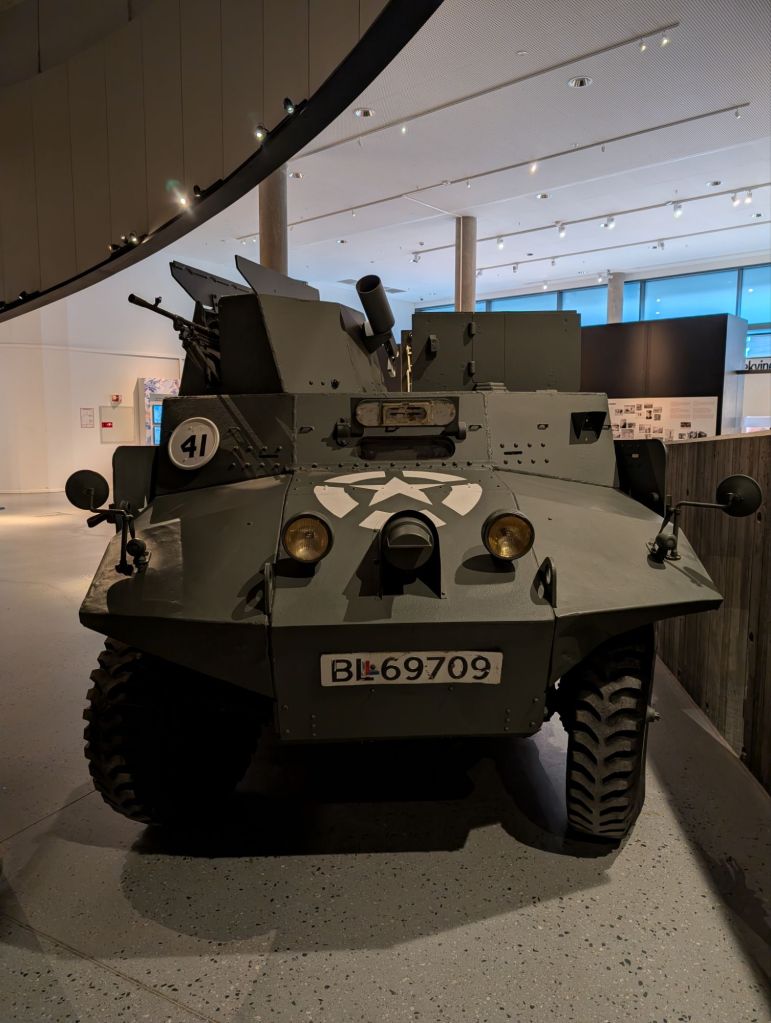
A reconnaissance car built in England during WW-II, on the chassis of the standard Morris light truck. This particular car was used in the D’ Day Normandy landings. To make it easy for the Allied airplanes to identify, an American star was marked.
Sidenote about manufacturing companies.
One of the hundreds of examples of contemporary big companies which actively manufactured war equipment during the WW-II.
Approximate Values
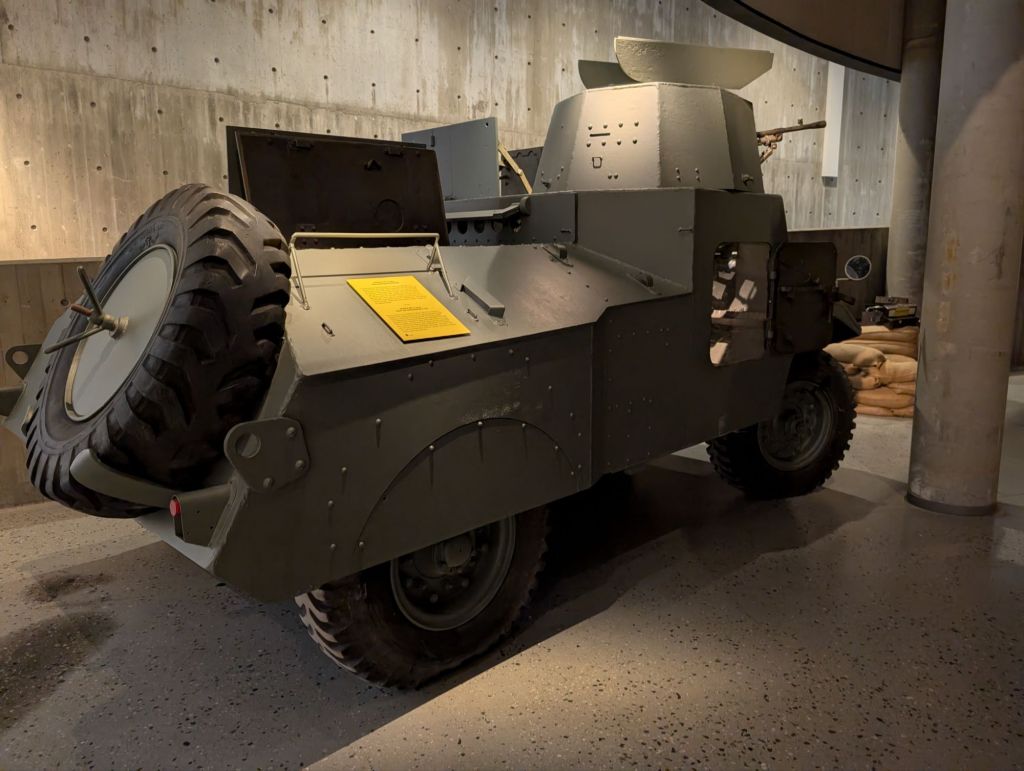
- Weight: 3700 kg
- Length: 4.06 metre
- Width: 2.03 metre
- Height: 1.88 metre
- Power: 72 hp
- Engine: Morris 4-cylinder petrol, rear
- Fuel tank capacity: 65 litre
- Top speed: 80 kmph
- Maximum range: 230 km
- Armour: 8-14 mm
Operation
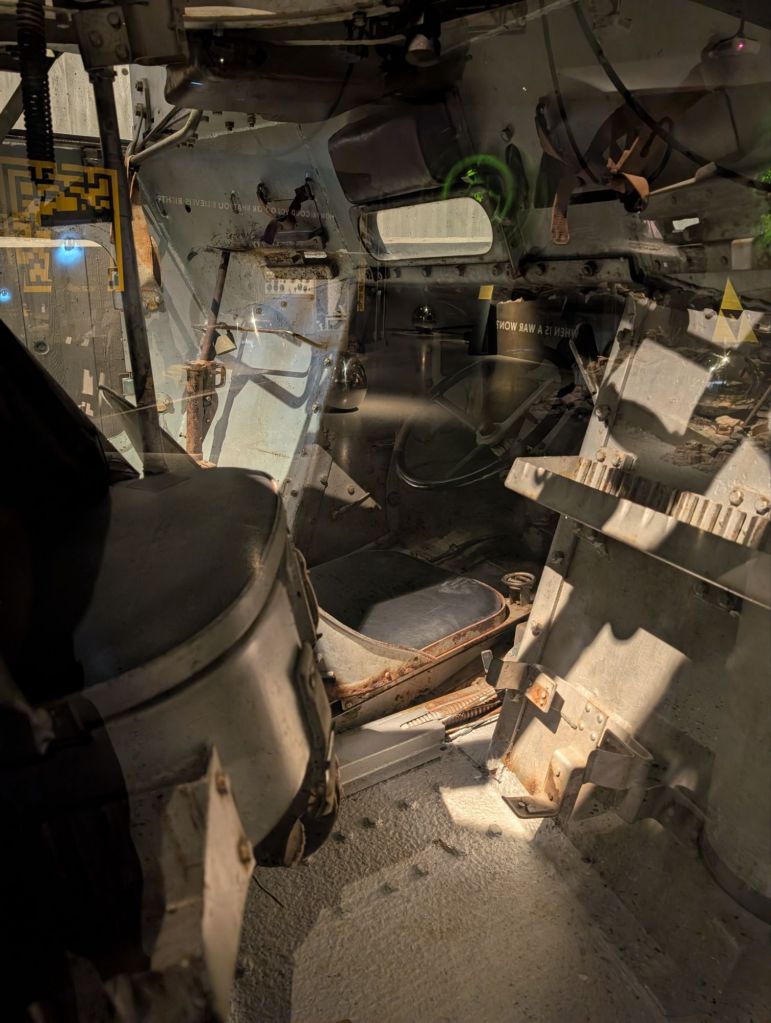
The seating arrangement for the crew was unusual. The driver sat in the middle, with the machine gunner to his right, who operated a Bren machine gun in an open-top turret. To the left of the driver sat the radio operator, who also acted as the gunner of the Boys tank gun. To do this, a two-part hatch had to be opened, with the front part serving as a shield.
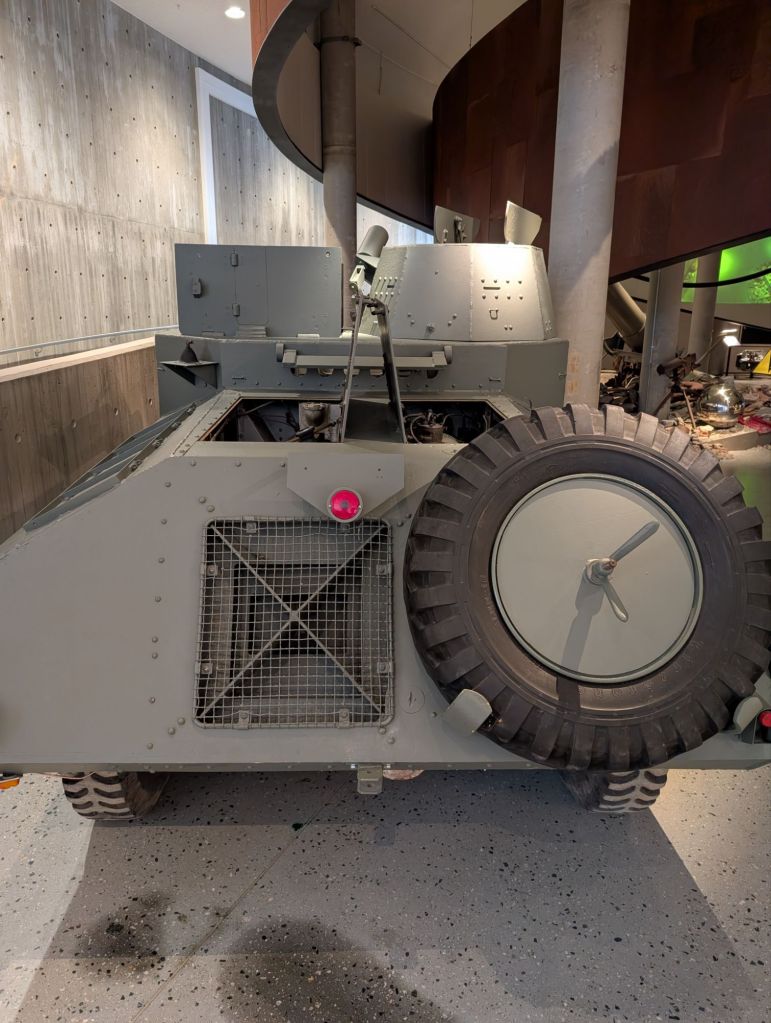
The space above the rear engine was often used as storage space. The vehicle’s center of gravity and its underbody construction resulted in good off-road capability.
Demo
Usage
From 1942 to March 1945, more than 2,200 of this 3.7-ton vehicle were produced. Production costs were relatively moderate: a Morris LRC cost just 900 pounds sterling. This was partly due to the production time and the economical design of the body. It was self-supporting (“monocoque construction”), the box-like armored superstructure was prefabricated in two parts, which were then bolted and welded together. According to official statistics from June 1945, 2,274 Morris LRCs had been ordered and only 30 had not yet been delivered at that time.
The vehicle was used in the North African, Italian and in North-West Europe campaigns. Some served with the RAF Regiment, others were given to Polish units.
Disclaimer
The ‘Demo’ section might contain third-party images/videos/other multimedia. The author neither claims nor intends any infringement, and tries best to give credits to the original creators/owners. The only purpose of including the third-party material is to provide the readers as much information as possible, in an intuitive manner.
 Life is about being kinetic